General meaning
⌄
Written information arrives and establishes a stable framework, like a pause point that feels safe.
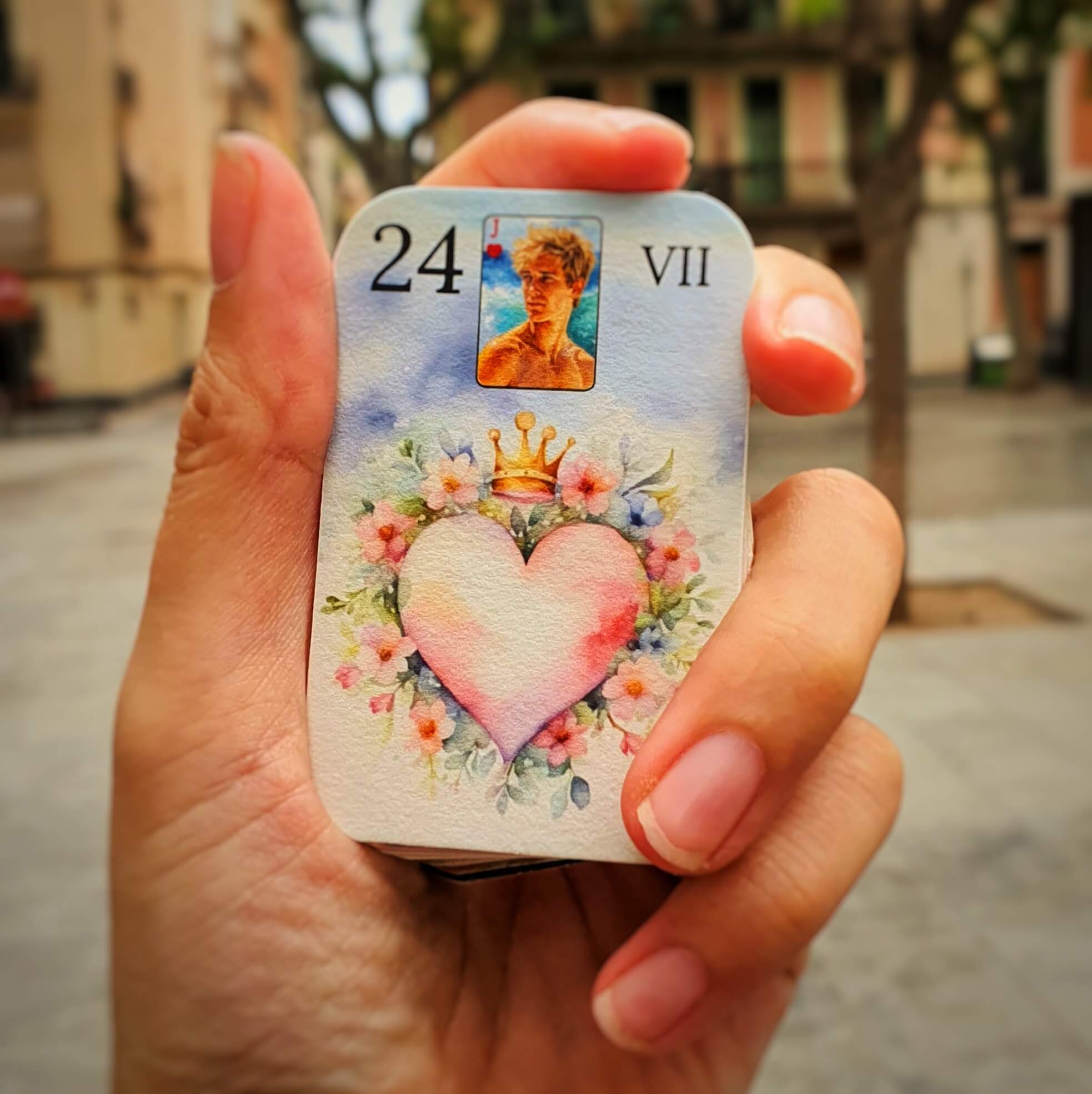
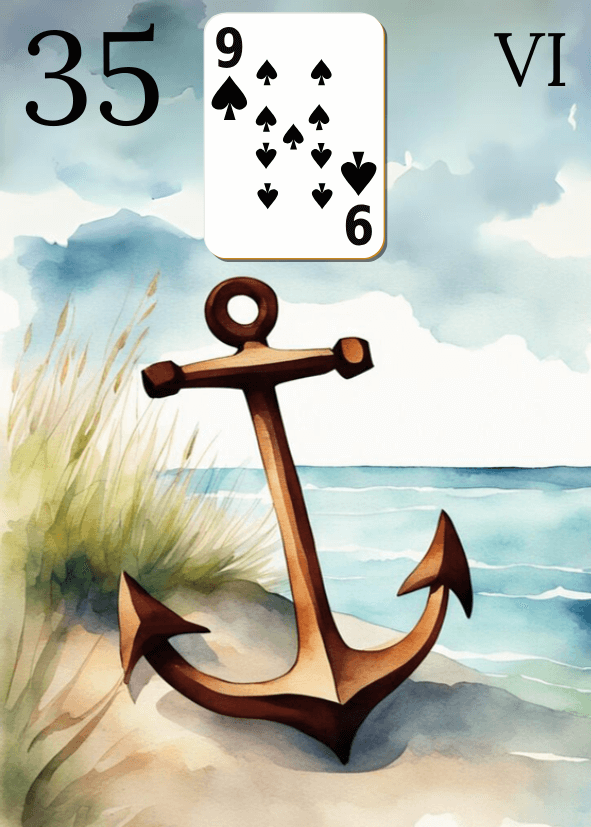
A letter announces a message, mail, email, proof, or document. An anchor signals stability, security, consistency, and sometimes commitment. Together they convey solid confirmation, an agreement that settles, a decision that halts the wavering. This combination is excellent for anything that must be made official and endure: contract, promise, role, validated procedure, or a simple message that reassures through coherence. It also reminds you that stability thrives on precision: the clearer it is, the more it holds.
Love and relationships
⌄
A message consolidates the bond: the framework is set, commitment is confirmed, and the relationship is anchored.
In love, a letter followed by an anchor describes communication that stabilizes. It can be a decision to choose each other, an official step, an agreement on pace, or a reply that ends uncertainty. An anchor speaks of consistency and loyalty: something lasting, not fragile intensity. This combination can also illustrate a relationship secured by simple evidence: presence, regular replies, consistent actions. The guidance is to prioritize consistency over promises and to clarify things so the bond rests on a solid foundation.
Work and vocation
⌄
Writing makes professional stability official: role, contract, and durable confirmation.
For work, a letter points to a contract, a confirmation email, an approved file, a report, or an administrative document. An anchor indicates grounding: a stable job, a long-running assignment, a consolidated position, a framework that settles. This combination supports signing, confirming, securing collaboration, or receiving the reply that allows you to build long-term. It encourages keeping records, archiving, and formalizing steps. It can also describe a project that establishes itself, with a steady rhythm that is more profitable than irregular bursts.
Money and material security
⌄
Written confirmation stabilizes finances: agreement, schedule, or a security framework.
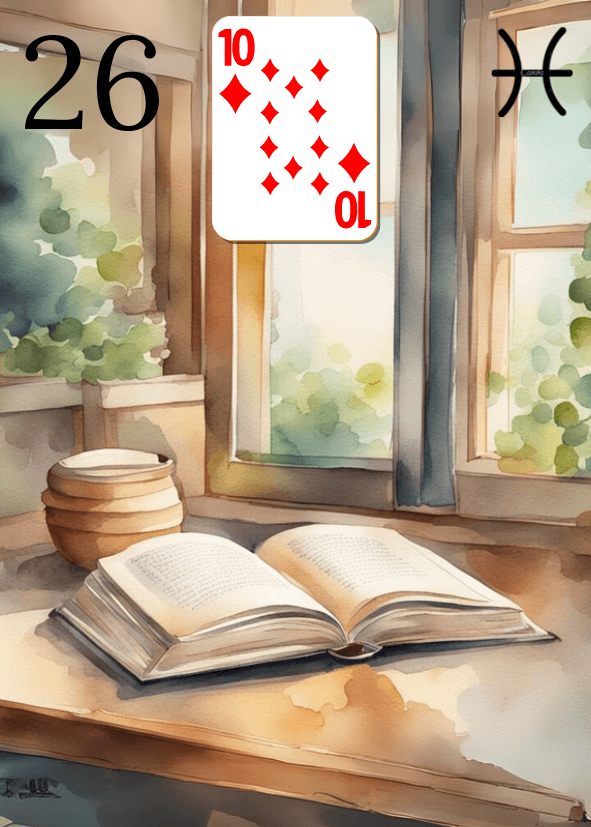
For money, this pair brings reliable information: payment validation, a payment plan put in place, bank agreement confirmation, regularization, or a document that secures you. An anchor suggests stabilization: you leave a floating phase, set a framework, consolidate. The book as quintessence reminds you to verify details and understand what is truly committed. The coffin as a hidden layer indicates an old way closing: you cut a source of instability, close a file, or end a period of financial stress.
Health and energy
⌄
Written follow-up helps stabilize: routine, treatment, and steady structure that anchors well-being.
For health, a letter points to a prescription, results, a protocol, an appointment, or follow-up. An anchor indicates regularity: maintaining a routine, stabilizing rhythm, grounding lifestyle hygiene. This combination is favorable when you want to stop the yo-yo, the swings, the attempts without structure. It suggests keeping track, following a plan, and choosing gentle stability. The coffin as a hidden layer can indicate needed rest or the end of a crisis, as if the body seeks closure and a return to calm.
Objects
⌄
Documents and supports that secure and stabilize a situation.
- Contract, certificate, or written confirmation of a commitment.
- Filed documents, archived proof, and records kept in the right place.
- Calendar, schedule, or tracking tool that establishes a stable routine.
Places
⌄
Places where you make things official, secure, and settle.
Office, administration, company, bank, clinic, or online space where you receive confirmation and finalize an agreement. An anchor also evokes stable places: a regular workplace, home, or any place where you feel safe. Together they describe a fixed point: you receive the writing that allows you to set your bags down, at least mentally.
Personality
⌄
A reliable, steady profile who needs clear proof to commit for the long term.
This combination describes someone loyal and pragmatic who prefers stability over emotional highs and lows. A letter shows the need for clarity, confirmation, and facts. An anchor demonstrates consistency, commitment, and the ability to hold steady. This person thrives when building step by step with simple agreements that are respected. The challenge is not to confuse stability with stagnation and not to cling to a framework that no longer fits. True solidity is chosen grounding, not endured.
Profession
⌄
Work where writing makes duration and reliability official.
- Human resources, administration, legal work where commitments are signed.
- Project management, coordination, or operations with procedures and regular follow-up.
- Structured roles where consistency is a core value.
Archetype
⌄
A letter that drops anchor.
This archetype embodies the decision that settles, the word that holds, the agreement that no longer floats. It reminds you that stability is a form of care: it calms the nervous system, protects bonds, and makes the future easier to navigate. When it appears, it says: clarify, confirm, then establish a routine. The true luxury here is consistency.
Shadow work
⌄
Clinging to confirmation to feel safe, even when the framework becomes too heavy.
In shadow, you may want to lock everything down, fix everything, write everything, out of fear of instability. A letter becomes emotional insurance, and an anchor becomes a tether that holds more than it protects. The risk is staying in a commitment out of habit or confusing loyalty with self-abandonment. This combination asks you to verify that the grounding truly nourishes life. Stability is healthy when it supports inner movement, not when it suffocates it.
Calibration questions
⌄
What do you want to stabilize, and which written framework will allow you to hold steady without tightening?
- Which written confirmation would make the situation truly stable, not just reassuring for a moment?
- Which step must close so you stop floating and finally settle?
- Which simple routine can you establish to anchor what you want to build long-term?