Petit Lenormand combinations

Birds and Mice

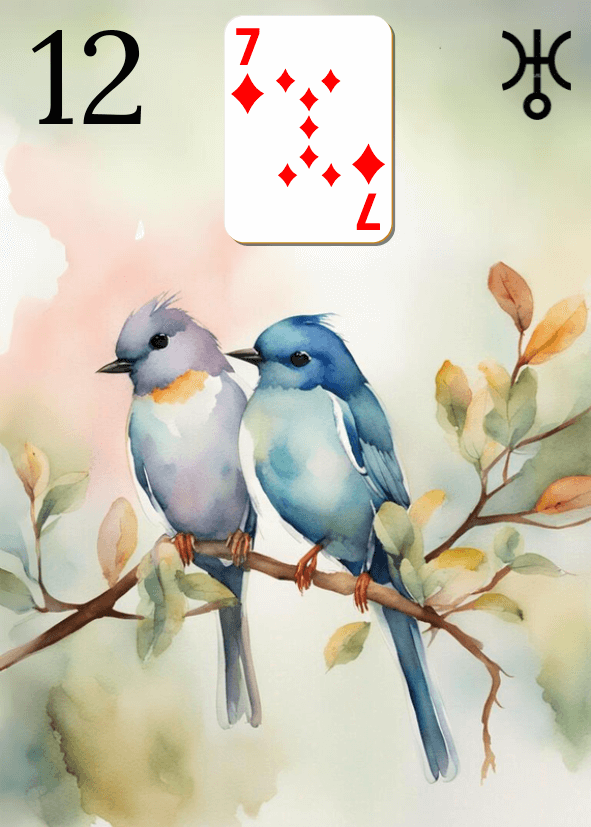
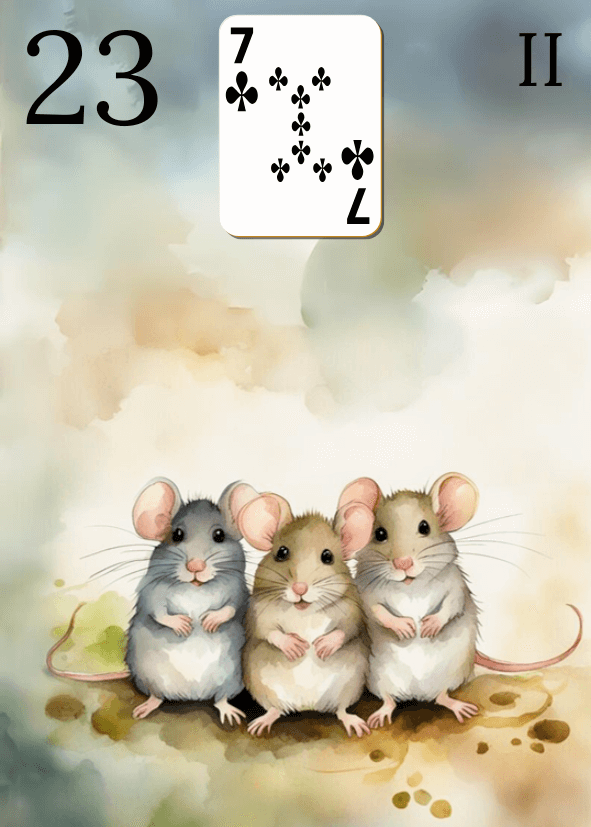
Here you see the two possible orders of the pair Birds and Mice. On the left, Birds acts on Mice. On the right, Mice sets Birds in motion. The concrete scenes help you feel what shifts as soon as the order shifts.

Combination
12 Birds → 23 Mice

General meaning

Persistent exchanges surround small lacks that end up becoming a real source of stress.

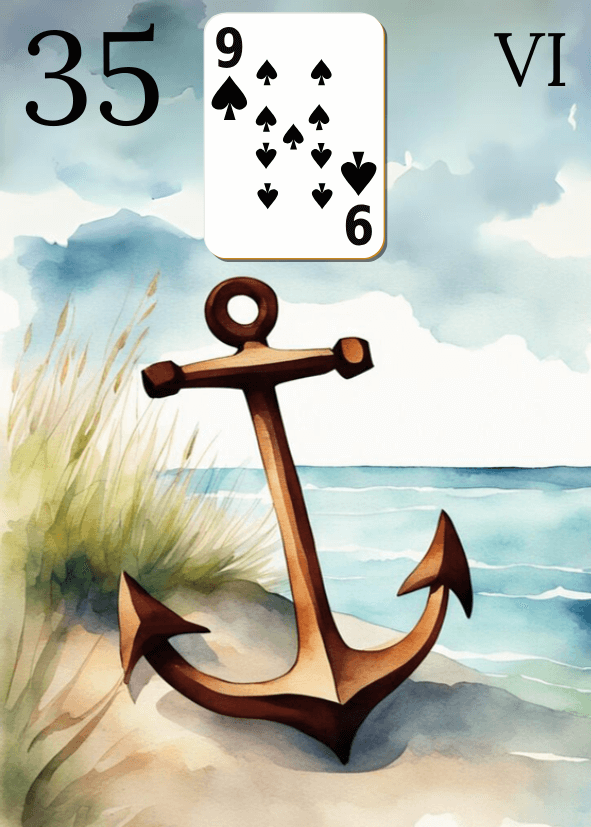
This combination points to a climate where there is much talk about what is lost, spoiled, or crumbling. The Birds represent conversations, ruminations, messages sent to complain, check, or follow up. The Mice evoke diffuse losses, energy leaks, small errors, or repeated lacks. Taken together, these two cards describe a situation where a lot of time is spent discussing what is wrong, without necessarily taking structuring actions. The essence of the Anchor reminds us that the deep issue is to regain solidity, to patch the gaps, and to secure what can be secured.

Love and relationships

The relationship is undermined by small repeated worries that become one of the main topics of discussion.

On the emotional level, the Birds and the Mice can illustrate a couple that often talks about what is wrong, but in the form of remarks, sighs, or small complaints. Nothing seems dramatic in itself, but the accumulation of small frustrations, veiled reproaches, or material concerns weighs on the atmosphere. It may also involve a person sharing their doubts with a close one, mentioning the fear of losing the other, weariness, or the feeling of being 'gnawed away' by the relationship. The Anchor in essence invites us to consider what in the bond deserves to be solidified, clarified, and nurtured, rather than allowing silent corrosion to set in.

Work and vocation

The professional environment is marked by nervous exchanges about errors, deadlines, or small losses of control.

At work, this combination readily speaks of tense conversations about overdue files, poorly managed stocks, small financial leaks, or an organization that is crumbling. Birds refer to calls, impromptu meetings, internal chats where every problem is discussed. Mice indicate that behind these discussions, there is indeed a reality of wear: lost time, decreasing numbers, motivation that is fraying. The presence of the Anchor calls for the establishment of more stable procedures, better-anchored work habits, or safeguards to prevent these micro-malfunctions from eroding the structure.

Money and material security

Finances are at the center of recurring concerns, especially due to small charges that accumulate.

On the material level, Birds associated with Mice draw attention to repeated expenses, bank fees, subscriptions, or bills that seem modest but nibble away at the budget month after month. It is often discussed, lamented, and amounts are compared, but there is a delay in concretely changing habits. This combination can also refer to small losses of income, payment delays, or administrative oversights that end up costing a lot. The Anchor as essence invites to bring structure back into accounts, to set stable benchmarks, and to consolidate what truly supports financial security.

Health and energy

Health or morale suffers from a fatigue that settles in the background, fueled by stress and rumination.

On the health side, this duo can signal shortened nights, diffuse nervousness, a feeling of 'emptying' from worrying too much. Birds represent a mind that is constantly racing, discussions about symptoms, compulsive searches for information. Mice evoke a body that is tiring, an immunity that is eroding, or a morale that is being nibbled away by small daily worries. The Anchor reminds of the necessity to rebuild a foundation of regularity: better sleep, more stable eating habits, and regaining routines that restore weight to what supports the body and mind.

Objects

Objects often signal repeated losses or increased vigilance around what disappears.

  • Notebook, board, or tracking application where small expenses and budget discrepancies are noted
  • Files or bills reminding of repeated fees, penalties, or forgotten amounts
  • Prescriptions, supplements, or products intended to compensate for fatigue, deficiencies, or wear of the body

Places

Places are marked by a growing sense of emptiness, rather than by a specific crisis.

One can think here of a professional service where motivation or staff is felt to be decreasing, a business where stocks are leaving faster than expected, or a household where resources are limited. Birds describe the rumor, hallway conversations, anxious exchanges around this erosion. Mice show that this is not just a feeling, but indeed a real loss of time, money, or energy. The Anchor, in the background, suggests transforming these places into more stable, better-protected spaces, with routines that rebuild reserves.

Personality

An anxious person tends to focus on what is being lost, talking about it a lot.

This combination can describe someone who immediately notices what is decreasing: the account balance, the quality of the atmosphere, the availability of others, their own energy. Birds show their need to verbalize, to share their worries, to seek reassurance through exchanges. Mice emphasize that by repeating these concerns, they may reinforce their feeling of wear and helplessness. The Anchor invites them to develop stabilizing habits, internal and external benchmarks that allow them to feel less nibbled by what is wrong.

Profession

Roles focused on monitoring small losses and preventing wear.

  • Accountant or manager responsible for spotting discrepancies and financial leaks
  • Quality or internal control manager monitoring repeated small errors
  • Health prevention or psychosocial risk professional, attentive to signs of wear

Archetype

The conversation that reveals the leaks.

The archetype staged is that of the voice that alerts about the small things that are often minimized: the few euros that go away, the hours of lost sleep, the repeated concessions that leave an emptiness. It does not seek to dramatize, but to make visible what is eroding, so that one can consolidate rather than let the structure empty in silence.

Shadow work

Allowing oneself to be absorbed by worry to the point of forgetting the means to stabilize.

In its most delicate aspect, this combination can push one to endlessly talk about what is being lost, what is lacking, what is not going well, to the point of reinforcing the feeling of insecurity. One risks exhausting oneself commenting on wear instead of establishing limits, routines, or structuring decisions. The shadow consists of maintaining a climate of complaint or chronic pessimism that further accentuates general fatigue.

Calibration questions

The key point lies in your way of reacting to these repeated small losses.

  • What small lacks or small leaks are you worried about without ever really addressing them at the root?
  • In what way do your daily conversations reinforce your feeling of wear or fatigue?
  • What could you concretely stabilize to stop this gradual nibbling away of your resources?
Combination
23 Mice → 12 Birds

General meaning

A situation already weakened is commented on and replayed to the point of reinforcing the feeling of lack.

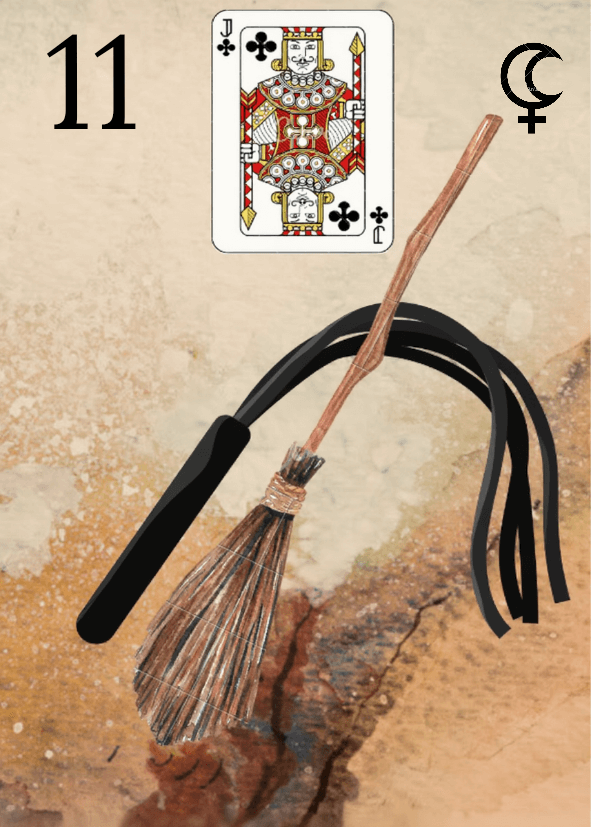
Here, Mice appear in the first position and show that loss, fatigue, or erosion are already present. It is no longer a simple fear, but a tangible reality: reserves are diminishing, patience is wearing thin, trust is eroding. Birds then come to amplify this narrative through speech: we complain, we recount, we comment, we replay the same scenarios. This combination highlights the risk of nurturing weariness through a discourse that loops, rather than taking concrete actions to restore what has been started. Anchor reminds of the possibility of finding a foundation, while Whip suggests that some repetitive conversations can be more corrosive than restorative.

Love and relationships

The relationship is already damaged and discussions often revolve around what has been lost.

In emotional life, Mice in the first card indicate a bond weakened by weariness, insecurity, or already compromised trust. Birds in the second position signal that exchanges focus on this observation: we revisit past wounds, we return to disappointments, we dwell on the evidence of lack. This combination may evoke a couple unable to escape a logic of reproaches or complaints, or a person who constantly shares their romantic disappointments with those around them. The quintessence of Anchor invites to ask what one truly wants to rebuild and on what basis, while Whip warns against recurring disputes that further deepen the fissure.

Work and vocation

A professional weariness already well present fuels increasingly charged conversations.

In terms of work, this combination can describe an exhausted team, a position that erodes health, or a situation of chronic understaffing. Mice show losses: declining motivation, deteriorating performance, aging equipment, worsening conditions. Birds translate the discussions that arise: complaints during breaks, emails of discontent, meetings where the same observations are repeated. This combination highlights the risk of getting trapped in a collective discourse of fatigue without truly transforming the organization. Anchor suggests implementing stabilizing measures, while Whip emphasizes the possible existence of verbal tensions, repeated reproaches, or cutting remarks.

Money and material security

A financial situation already in decline is the subject of persistent discussions, tinged with fear and guilt.

In material terms, Mice and Birds in this order can signal already established debts, a recurring overdraft, or a tight budget. There is much talk about it: with the bank, with the partner, with family or friends. Conversations revolve around unpaid bills, expenses to reduce, past mistakes. The combination can also evoke shame or fear of discussing money, even as there is urgency to clarify the situation. The essence of Anchor calls for establishing a stabilization plan, even a modest one, while Whip suggests monitoring how one judges oneself or allows oneself to be judged regarding money.

Health and energy

A very real physical or moral fragility is abundantly commented on, which can increase the feeling of discomfort.

In terms of health, Mice at the forefront evoke declining energy, persistent pain, a chronic disorder, or already established anxiety. Birds in second place reflect repeated discussions about this state: sharing symptoms, reading and rereading information, consulting several people, complaining a lot. This can serve as a release valve but also reinforce the focus on what is wrong. Anchor, in essence, encourages identifying which habits, care, or support can truly stabilize the situation. Whip in the shadow invites caution against the tendency to criticize oneself or to 'lecture' oneself instead of accompanying oneself with patience.

Objects

Objects reflect an attempt to monitor or compensate for what is already in decline.

  • Spreadsheets, notebooks, or applications where one tracks the evolution of a debt, a budget, or a health indicator
  • Stacks of reminder letters or payment reminders that highlight financial wear
  • Tools or medications intended to compensate for fatigue, loss, or weakening already observed

Places

Places bear the trace of an established fatigue that is regularly discussed.

One may find oneself in a worn-out service, where equipment is lacking, where noise or pressure is constant, and where staff often discuss without seeing concrete change. This can also represent a home where people gather to talk about worries, without managing to lighten the atmosphere. Mice indicate that these spaces have already lost some of their comfort or vitality. Birds show that the dominant discourse revolves around this loss, sometimes giving it even more prominence.

Personality

A person preoccupied with what is deteriorating tends to verbalize their discomfort incessantly.

This duo can designate someone who has given a lot, who feels their resources dwindling, and who often talks about it. They may express their exhaustion, their fear of lacking, their feeling of being drained. Mice show a keen sensitivity to the slightest sign of loss. Birds reveal a way of seeking relief through words, at the risk of telling the same story repeatedly. Anchor suggests finding reliable support points, routines, concrete commitments that restore a backbone to this tested existence.

Profession

Roles confronted with the realities of wear, lack, and recurring complaints.

  • Social worker accompanying situations of precariousness or limited resources
  • Debt advisor listening to stories of repeated losses
  • Helping professional receiving confidences about fatigue and discouragement

Archetype

The witness of erosion.

The archetype highlighted here is that of the consciousness that observes what is crumbling, what is being lost, what is exhausting, and seeks to articulate it. It can play a valuable role in naming wear where it is denied, but it needs to ally with Anchor to avoid merely observing. Its challenge is to transform the discourse of complaint into a discourse of decision, oriented towards concrete gestures of protection and reconstruction.

Shadow work

Feeding wear by dwelling without acting.

In its shadow, this combination can lead to talking about one's problems in loops, multiplying dramatic conversations or reproaches, without setting limits or making choices that could truly lighten the load. One risks then reinforcing fatigue, extending it to the close circle, and getting trapped in a victim identity. Whip suggests that severe self-criticism or repeated verbal conflicts can cause more damage than the initial situation.

Calibration questions

The heart of the issue lies in how you relate what is already wearing out.

  • In which area do you feel that something is being nibbled away day after day without you really changing how you talk or act about it?
  • With whom do you repeat the same stories of lack or fatigue, and what do you hope to achieve through these conversations?
  • What stabilizing decision could you make to start rebuilding your reserves instead of watching them diminish?
A wink for advanced readers

Quintessence and the hidden card of the pair

Each combination is carried by a Quintessence that gives the overall direction, and a hidden card that works in the background. These two cards illuminate the scene without replacing the main reading.

Lenormand card 35 Anchor
Quintessence

35 Anchor

The combination highlights the need to stabilize what is gradually crumbling.

search for stability need for grounding consolidation of foundations
Lenormand card 11 Whip
Hidden card

11 Whip

In the background, a repetitive tension or active self-criticism maintains the wear.

recurring conflicts repeated pressure self-flagellation