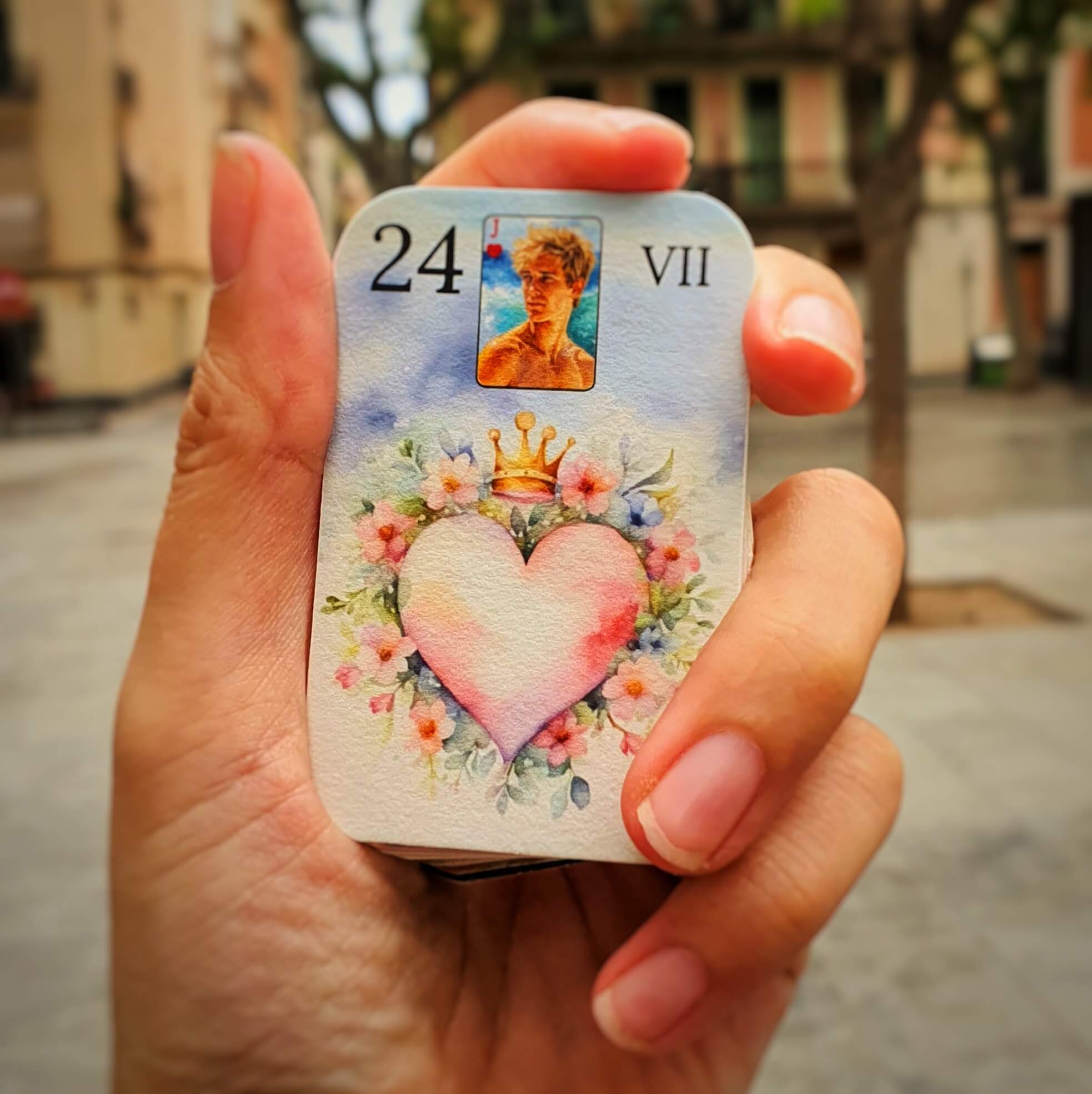
Petit Lenormand combinations

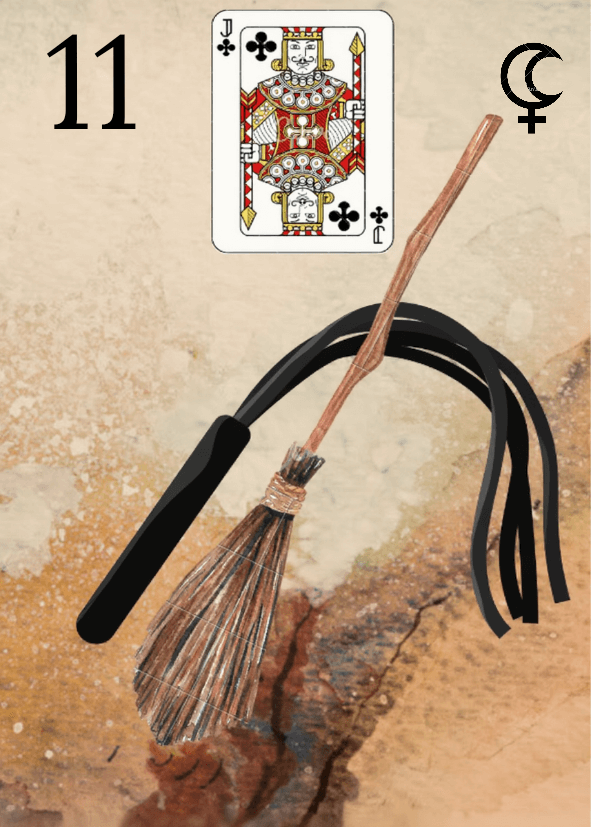
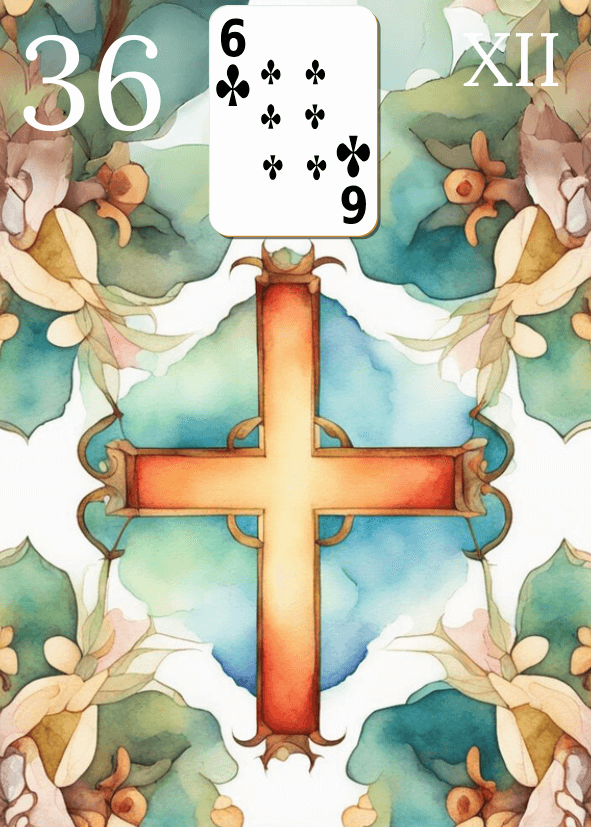
Whip and Cross

Here you see the two possible orders of the pair Whip and Cross. On the left, Whip acts on Cross. On the right, Cross sets Whip in motion. The concrete scenes help you feel what shifts as soon as the order shifts.

Combination
11 Whip → 36 Cross

General meaning

A dynamic of repeated conflict leads to a trial that forces one to face the truth.

The Whip speaks of repetition, of tensions that return, of words that snap, of scenes that replay until exhaustion. With the Cross, these tensions no longer remain at the stage of simple dispute: they condense into a real, heavy trial that can no longer be avoided. The combination often describes the moment when the sum of altercations, reproaches, guilt, or self-flagellation leads to a decisive turning point. It is no longer just a passing crisis, but a necessary passage that confronts one with responsibility, inner coherence, and sometimes, the need to mourn a way of doing or being.

Love and relationships

Recurring disputes transform into a deep emotional crisis.

In love, the Whip with the Cross evokes a couple where disputes are no longer isolated outbursts, but a mode of operation that leaves marks. Reproaches, harsh words, repeated criticisms, or the feeling of being judged constantly can lead to a difficult break, a heavy separation, or a phase of great emotional suffering. It may also concern a bond where one stays out of guilt, duty, or fear of 'breaking something sacred.' This combination highlights the emotional cost of a relationship where one fights more than supports, and where one may feel like 'paying' for old, personal, or family stories.

Work and vocation

Pressure and repeated conflicts at work eventually take on an excessive dimension.

In the professional realm, the combination of Whip and Cross can signify a climate of ongoing tensions: sharp remarks, conflicts with hierarchy, aggressive evaluations, impossible goals, and long-accepted overwork. This continuous pressure transforms into a trial: burnout, forced leave, disciplinary procedures, conflict escalated to an official level. The Whip indicates the rhythm of blows received or dealt with daily, while the Cross marks the moment when the body, morale, or structure imposes a brake. The combination reminds us that a work rhythm based on fear, guilt, or self-flagellation inevitably has a limit.

Money and material security

Repeated efforts in financial matters lead to a phase of heavy settlement or renunciation.

Regarding money, this combination can evoke repeated attempts to pay, reimburse, negotiate, or save a financial situation until reaching a critical point: major deadline, painful regularization, significant penalty, or renunciation of a project deemed too costly. It can also refer to expenses related to a crisis (procedure, care, support), which give the impression of 'paying the price' for a long period of tensions and difficult choices. The Cross does not necessarily promise ruin, but it emphasizes that the time for scattered efforts has passed: one must accept that certain accounts need to be closed.

Health and energy

The body or morale can no longer withstand a logic of overwork and constant struggle.

For health, the Whip with the Cross can signal deep exhaustion, a consequence of a long period of stress, hyper-demandingness, or self-criticism. The body may enter a crisis through acute symptoms, a sudden stop, or an illness that forces one to truly rest. Psychologically, it may involve overwhelming guilt, severe rumination, or a heavy sense of failure to bear. This combination does not seek to dramatize but to highlight that a life pattern based on constant struggle has reached its saturation point. It reminds us that self-compassion is not a luxury but a vital necessity.

Objects

Objects materialize the final addition of a period of struggles.

  • Official correspondence announcing sanction, contract termination, or irrevocable decision
  • Medical or psychological file confirming exhaustion or a heavy trial
  • Documents from a legal, disciplinary, or administrative file related to a prolonged conflict

Places

Certain places become the stage for a resolution after a long period of tension.

Court, lawyer's office, management office, hospital service, place of worship, mediation center: all spaces one visits when the situation has already exceeded the stage of simple disagreement. These places concentrate the seriousness of the moment, the gravity of a step to be taken, but also the possibility of setting a limit, recognizing suffering, and sometimes beginning a form of repair.

Personality

A temperament that fights to the end, sometimes against itself.

This combination can describe a person who never gives up, who discusses, argues, defends themselves, or questions themselves incessantly, but ultimately judges themselves very harshly. They may be demanding of themselves and others, to the point of getting caught in a cycle of reproaches, guilt, or impossible duties to satisfy. The Cross shows the fatigue of bearing all this, while the Whip indicates the tendency to reignite the struggle instead of consenting to true calm.

Profession

Professions in repeated contact with suffering, conflict, or sanction.

  • Lawyer, judge, or legal expert specializing in heavy disputes or disciplinary matters
  • Human resources manager handling complex and challenging procedures
  • Health or care professional required to repeat interventions in critical contexts

Archetype

The flagellant who believes they must pay endlessly.

The archetype here is one who stands in the dock, real or imagined, and thinks they must prove their worth by fighting again and again, even when life clearly indicates it's time to lay down arms. It illustrates the belief that suffering gives meaning or cleanses a fault. The combination invites reflection on whether the chosen path is truly redemption or a way to lock oneself into a painful role.

Shadow work

Maintaining the crisis instead of truly going through it.

In its shadow, this combination can push one to endlessly reignite conflict, even within an already heavy trial. One may cling to reproaches, accusations, anger, to the point of prolonging suffering and preventing any peaceful resolution. The risk is to remain identified as the victim or the culprit, without allowing oneself to step out of the scenario. The challenge is to recognize what can no longer continue, without adding further blows to an already painful situation.

Calibration questions

The current crisis is the result of a long series of unresolved tensions.

  • In which area do you repeat the same conflicts to the point of saturation?
  • What part of guilt or self-criticism do you add to what you are already experiencing?
  • What is it time to stop fighting in order to finally begin healing?
Combination
36 Cross → 11 Whip

General meaning

A deep ordeal continues because the same reaction pattern repeats.

With the Cross in the first position, the combination highlights a heavy life period, a moral or existential weight, a situation that tests patience, faith, or the meaning given to events. The arrival of the Whip then shows that this ordeal is not only linked to circumstances but also to how one responds: recurring conflicts, self-accusations, discussions that go in circles, impossible demands. The risk is to constantly revive the pain through the way it is managed. The whole invites one to distinguish what does not depend on you from the part of tension that your reactions add despite yourself.

Love and relationships

A relationship undergoes a difficult test, fueled by disputes that continually reopen the wound.

On the emotional level, the Cross followed by the Whip can indicate a couple or romantic bond going through a true ordeal: crisis of trust, separation, heavy external context (illness, mourning, heavy material situation). The Whip shows that, in this already fragile climate, disputes, reproaches, and repeated scenes come to press where it hurts. One may feel as if always replaying the same conversation, with hurtful phrases and hardened defenses. This combination raises the following question: what are you really trying to achieve by repeating these confrontations, and what could happen if you changed your way of responding to the suffering?

Work and vocation

A challenging professional situation is compounded by recurring tensions with the environment.

In work, Cross and Whip speak of a heavy phase: restructuring, job threats, old hierarchical conflicts, chronic overload, heavy responsibility. Whip indicates that these difficulties are accompanied by intense meetings, repetitive remarks, persistent criticisms, or conflicts that keep resurfacing. You may feel caught in a system where you are always asked for more, where you are regularly blamed for the same things, or where the pressure is maintained by very harsh discourse. This combination suggests that part of the trial consists of no longer feeding this cycle of confrontation, at least internally.

Money and material security

The same financial issues come back like a refrain, accentuating the feeling of trial.

On a material level, this combination can indicate heavy burdens, debts, or losses that stretch over time. Cross evokes the overall weight, Whip the reminders, tense discussions, repeated negotiations with organizations, family, or partners. One may also feel a shame or guilt that plays out with every bill, every reminder, every conversation about money. The central idea is that the longer the situation lasts, the more the way of talking about or approaching it contributes to making it painful.

Health and energy

A pre-existing fragility is maintained by a climate of tension and continuous struggle.

For health, Cross can indicate a chronic illness, a long convalescence, deep fatigue, or a period of emotional vulnerability. Whip then shows repeated consultations, heavy treatments, multiple examinations, or a very harsh way of speaking to oneself about one's limits. The combination can also evoke a body that undergoes painful flare-ups or crises at regular intervals, as if each 'episode' reactivates fear and accumulated tensions. It is about moving away from a logic of permanent combat to introduce more gentleness in the way of accompanying what is already difficult.

Objects

Concrete supports regularly remind of the trial and how it is managed.

  • Reminder letters, summons, or reports that come back frequently
  • Medical or administrative file updated after each crisis episode
  • Notebook, journal, or documents where the same difficulties have been recorded for a long time

Places

Certain places become associated with the idea of repetition of the trial.

Hospitals, offices, courts, social services, official offices, or mediation places may appear as places where one returns again and again for the same reasons. Each visit rekindles the memory of previous ones, creating the impression of being caught in a loop. These places can be felt as both places of help and painful reminders of what does not resolve quickly enough.

Personality

A very courageous person, but who mistreats themselves instead of supporting themselves.

This combination can represent someone going through difficult things with great endurance, but who tends to judge themselves harshly, reproach their weaknesses, or react with anger as soon as they feel overwhelmed. They may also constantly reactivate the past by dwelling on it or bringing up the same subjects of dispute, convinced that it is the only way not to minimize the suffering. The proposed challenge is to recognize the strength already mobilized, without adding the violence of self-criticism.

Profession

Long-term functions exposed to difficult situations and repeated tensions.

  • Mediator, social worker, or caregiver confronted with recurring and very heavy cases
  • Justice or administration professional dealing with complex and sensitive files
  • Structure manager welcoming distressed individuals and also managing internal tensions

Archetype

The pilgrim of the challenging path.

The archetype here is one who moves along a road strewn with obstacles, carrying a bag filled with stories, wounds, and duties. At each step, the same themes seem to return, as if life tests the ability to respond differently. The combination suggests that the trial is not only in what happens but in the possibility of stepping out of repetition to write a different chapter.

Shadow work

To define oneself entirely by the trial and maintain the conflicts that arise from it.

In its shadow, this combination can lead to seeing oneself only as someone who suffers, who pays, who has no respite, and to use disputes or reproaches as living proof of this condition. One may then refuse any improvement for fear of betraying the seriousness of what they are experiencing. The danger is to feed the pain by the way of telling and replaying it, rather than seeking, step by step, the actions that truly lighten the burden.

Calibration questions

The repetition of suffering points to a change in inner posture.

  • In what situation do you feel like you are reliving the same painful scenario over and over?
  • How do you usually react to this trial, and how might this prolong it?
  • What would be a first concrete gesture to treat yourself with more kindness amidst what you are going through?
A wink for advanced readers

Quintessence and the hidden card of the pair

Each combination is carried by a Quintessence that gives the overall direction, and a hidden card that works in the background. These two cards illuminate the scene without replacing the main reading.

Lenormand card 11 Whip
Quintessence

11 Whip

The combination concentrates a pattern of struggle and repetition that can no longer continue this way.

conflict pattern effort spiral cumulative tension
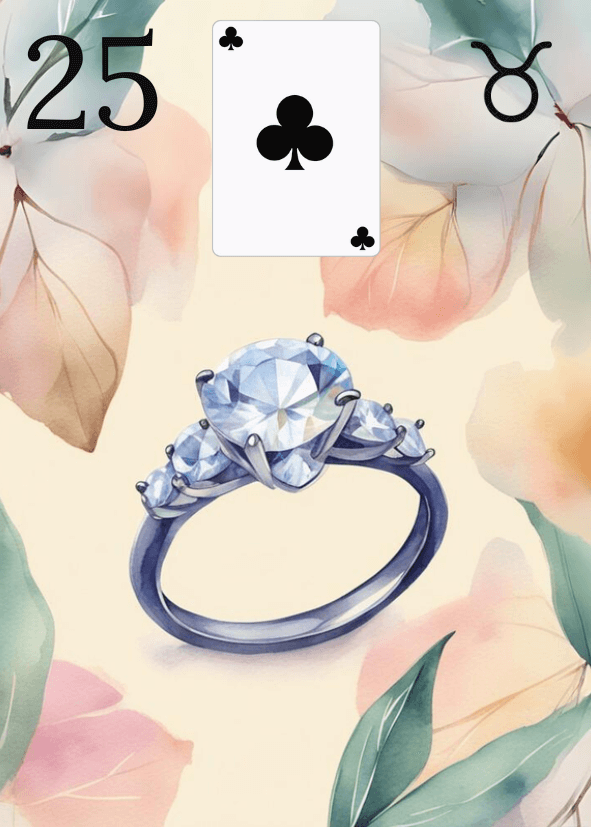
Lenormand card 25 Ring
Hidden card

25 Ring

A commitment, a contract, or a promise plays a central role in what crystallizes.

binding link heavy promise karmic contract