General meaning
⌄
A sharp blow is clearly expressed in a letter or an official message.
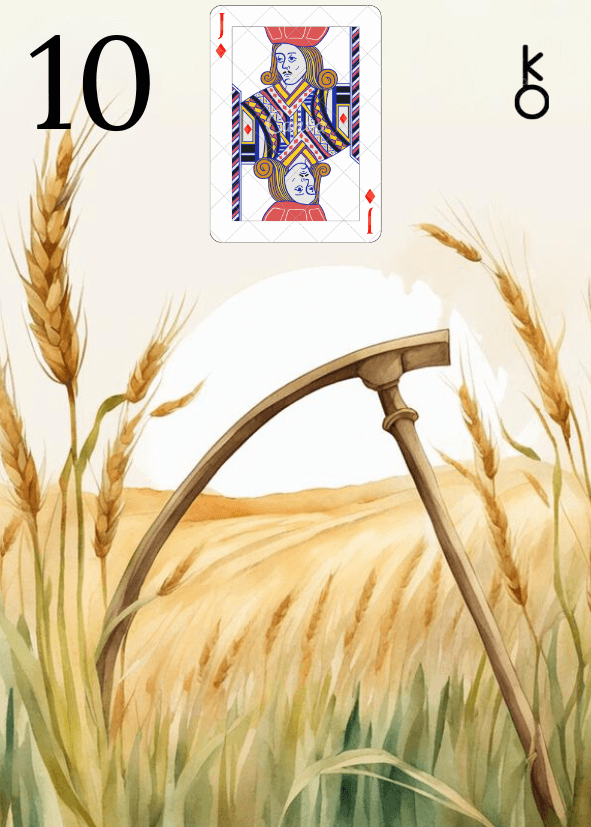
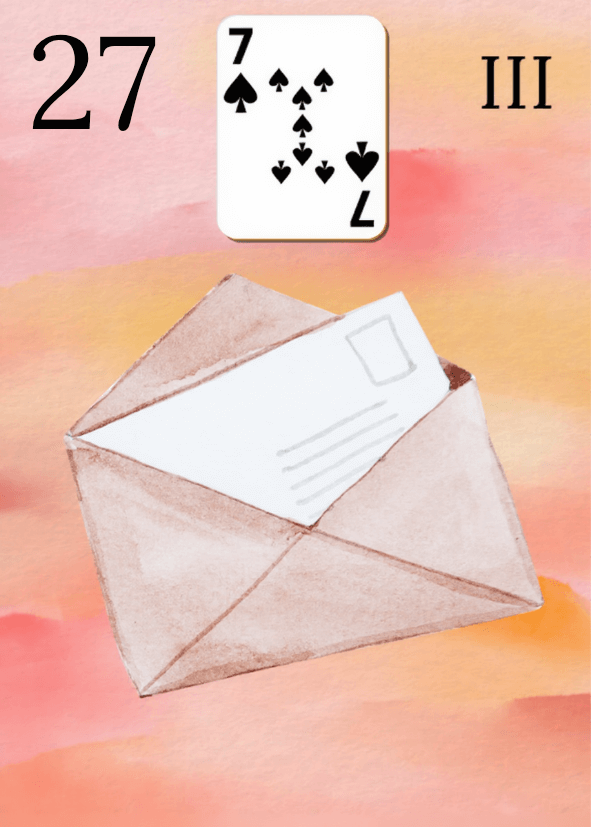
The Scythe in the first position indicates a clear, sometimes harsh decision that leaves no room for hesitation. The Letter, in the second card, signifies that this decision must be articulated, dated, signed, sent, or delivered. Together, they illustrate the moment when one transitions from an internal choice to the tangible act of writing it down and notifying the other party. This may involve a break, a cancellation, a complaint, a declaration, or any communication that cuts, halts, or slices through a situation. The combination underscores the irreversible nature of the gesture once the letter is sent, while emphasizing that it is sometimes necessary to clarify matters in writing to move forward.
Love and relationships
⌄
A relational decision is conveyed in a message that cuts or reframes the bond.
In romantic contexts, this association may refer to a breakup message, a farewell letter, or an email that establishes a clear boundary after a prolonged period of ambiguity. The Scythe evokes the decision to end a relationship, sever contact, or terminate a specific dynamic. The Letter materializes this decision through carefully chosen words, precise phrasing, and sometimes a lengthy text that closes the chapter. It can also involve completing divorce papers or signing a written agreement regarding custody or family arrangements. This combination rarely describes a simple trivial exchange: the tone, content, and medium of communication signify a before and after.
Work and vocation
⌄
A professional termination is formalized by a written notification.
In the workplace, the Scythe combined with the Letter depicts documents that signify a radical change: a termination letter, an email announcing the end of a contract, a notification of the conclusion of a trial period, a letter of termination of collaboration, or even a resignation form. The decision is already made (Scythe), and it remains to be clearly documented, dated, and traceable (Letter). This combination can also represent the drafting of a report suggesting a position elimination, a service closure, or the cessation of a project. The overall energy remains sharp, but the Letter reminds us that form matters, and that written evidence will have lasting consequences.
Money and material security
⌄
Administrative or financial writings serve to terminate an engagement or an expense.
On the financial side, this combination can indicate the termination of an insurance policy, phone service, subscription, or service contract via registered mail, an email closing an account, or a letter of dispute accompanied by the decision to no longer pay under the same conditions. The Scythe signifies the intention to stop the financial drain or to cease an engagement deemed too costly or too risky. The Letter documents this intention with the relevant entity. Together, they remind us of the importance of written evidence in financial processes: without a written record, the termination remains fragile or contestable.
Health and energy
⌄
A decisive decision impacts your medical or administrative follow-up through a written document.
In terms of health, it may involve a letter concluding a work stoppage, a signed document to accept or refuse a procedure, a discharge form from hospitalization, or a letter indicating a change of practitioner or care facility. The Scythe indicates the action that stops, cuts, or redirects, while the Letter refers to prescriptions, certificates, reports, and forms that formalize this transition. This combination encourages careful reading of what one signs and keeping copies of any document marking a turning point in health care.
Objects
⌄
Certain written supports become the direct vectors of the termination.
- Registered letter with acknowledgment of receipt bearing a decision of termination or cancellation
- Printed or saved email confirming the end of a contract or commitment
- Pre-filled form that only requires a signature to formalize a clear termination
Places
⌄
Locations related to mail concentrate the moment when the decision truly departs.
Post office, mailbox where the decisive mail is dropped, mail service of a company, secretariat that records resignation letters or termination notifications, as well as a computer screen or smartphone at the precise moment when one clicks 'send'. These places and supports become the concrete scene of the termination. It is here that the action of the Scythe finds its trajectory through the Letter.
Personality
⌄
A person chooses to clarify in writing rather than allow a situation to linger.
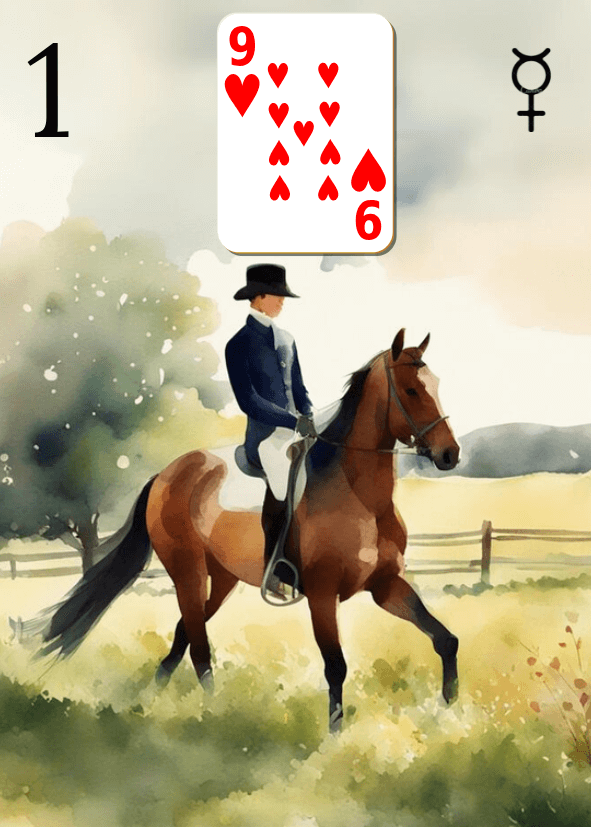
This combination can describe someone who prefers to put in writing what must be stopped rather than leave doubt hanging. They write, revise, weigh their words, and then send a clear message that changes the dynamics. They may appear cold or radical, but their intention is to emerge from ambiguity, set boundaries, or end a situation that has persisted too long. The Rider in essence suggests, however, that this approach also opens a new trajectory, more aligned with their deeper choices.
Profession
⌄
Certain professions link the act of termination to the drafting of official writings.
- Human resources manager drafting and sending termination or sanction letters
- Lawyer or attorney preparing letters of formal notice or termination
- Contract or service manager responsible for documenting subscription ends and account closures
Archetype
⌄
The signer of the final point.
The archetype associated with this combination is one who dares to place their signature at the bottom of a document that alters the situation. They do not merely contemplate the termination; they formalize it. They embody the energy of the phrase that begins with 'Hereby...' and that definitively closes a door. It is not always comfortable, but it is often what allows for space to be cleared for a new chapter.
Shadow work
⌄
A cutting message can strike like a blade without preparation or nuance.
In its shadow version, the Scythe combined with the Letter can indicate emails sent in a fit of anger, terse letters, humiliating phrasing, or decisions made without prior discussion and simply communicated in writing. Words then become hurtful like a blade. This association warns against the temptation to resolve everything with a brutal message, without dialogue or support, at the risk of leaving lasting emotional scars.
Calibration questions
⌄
Your current writings possess a strong power of termination or clarification.
- What message are you considering sending to end a situation that has become untenable?
- What decision has already been made that is just waiting to be clearly articulated in writing?
- How can you compose a firm letter without causing more hurt than necessary?