The Petit Lenormand deck is available now. Limited stock
Petit Lenormand combinations

Scythe and Whip

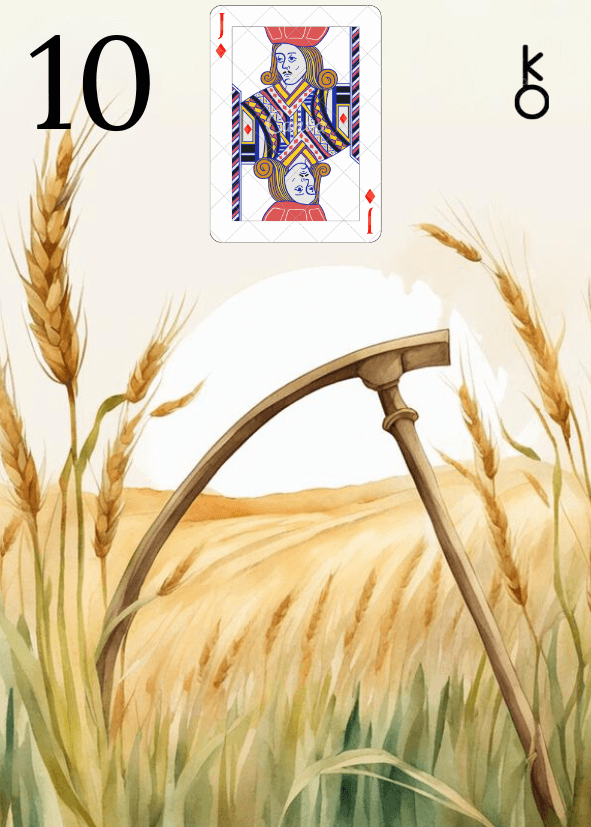
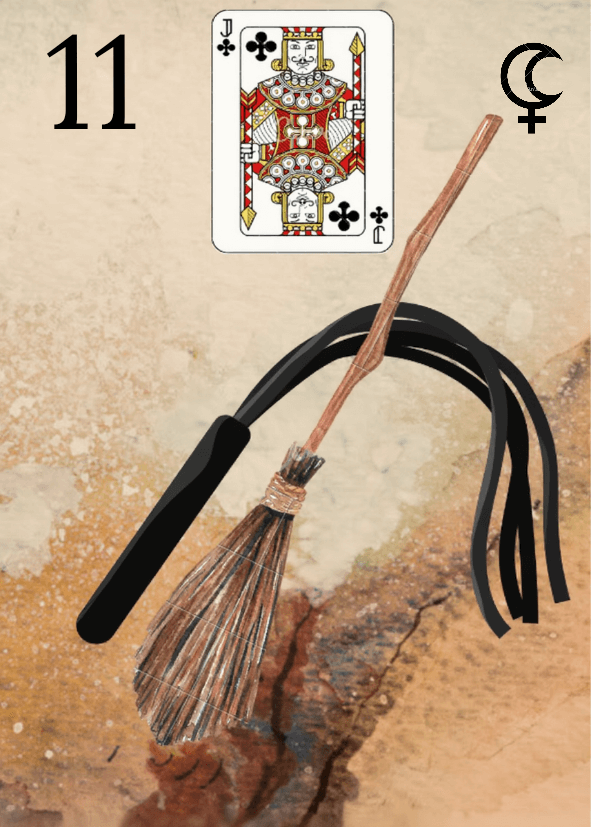
Here you see the two possible orders of the pair Scythe and Whip. On the left, Scythe acts on Whip. On the right, Whip sets Scythe in motion. The concrete scenes help you feel what shifts as soon as the order shifts.

These interpretations are based on thousands of consultations.

Combination
10 Scythe → 11 Whip

General meaning

A decisive decision bursts an already present tension.

The Scythe acts here as a sharp, sometimes brutal gesture that cuts short an untenable situation. The Whip, in second position, shows that this cut does not happen in silence, but in noise, confrontation, and sometimes the repetition of clashes. This combination often describes a moment where one cuts to no longer endure, but where the price to pay is a phase of open conflict. Calm does not return immediately: one must first go through the verbal or emotional storm triggered by the decision.

Love and relationships

A breakup or a clarification degenerates into repeated confrontations.

On the emotional level, the Scythe and the Whip can indicate an explosive separation, a violent dispute, or a series of conflicts following a radical decision. It may involve a poorly digested breakup, where accusations come back in loops, or an ultimatum that ignites the powder keg. This combination shows that the relationship was already under tension and that the cut acts as a revealer. The challenge is to prevent the bond from turning into a permanent battlefield.

Work and vocation

A professional decision provokes an open war.

In work, this duo evokes a dismissal, a contract termination, a sudden end to collaboration, or a brutal reorganization that leads to repeated conflicts. Heated discussions, aggressive emails, tense meetings, or procedures may follow. The Scythe marks the irreversible gesture, the Whip shows the struggle of egos, the accusations, and the difficulty in moving on. This combination invites preparation to defend one's position without falling into unnecessary escalation.

Money and material security

A financial cut triggers disputes or pressures.

Financially, the Scythe followed by the Whip can signal the end of support, a separation of accounts, a cut in debt, or a firm refusal to pay, leading to repeated conflicts. Discussions about money become tense, sometimes aggressive, and recur like a refrain. This combination speaks of power dynamics around resources and reminds of the importance of setting clear boundaries, even if it creates turmoil.

Health and energy

A medical gesture or radical change provokes strong reactions.

In terms of health, this association can evoke a sudden intervention, a sharp stop to a treatment or habit, followed by intense bodily or nervous reactions. Pain, inflammation, nervousness, or muscle tension may arise. The Scythe indicates the need to cut, the Whip shows that the body or mind reacts strongly before adapting. Vigilance focuses on managing stress and accumulated aggression.

Objects

Concrete elements materialize the cut and the conflict.

  • A termination document accompanied by heated written exchanges
  • A cutting or sharp tool associated with a pressured activity
  • A phone or messaging platform saturated with conflicting messages

Places

Places where tension erupts without filter.

Executive office, meeting room, court, lawyer's office, or home during a dispute. These places become the stage for verbal or emotional confrontations. The Scythe indicates that something is decided or ends there, while the Whip shows that the words are sharp, sometimes violent.

Personality

A person who cuts but provokes virulent reactions.

This combination can describe someone determined, capable of radical decisions, but who triggers anger, opposition, or aggression in others. It can also represent a personality that, after cutting, finds itself caught in a cycle of repeated conflicts. The challenge is to own the decision without unnecessarily fueling the struggle.

Profession

Roles exposed to conflicts after difficult decisions.

  • HR manager handling delicate terminations or sanctions
  • Lawyer or mediator intervening after a radical decision
  • Manager tasked with imposing unpopular changes

Archetype

The cut that sparks anger.

This archetype embodies the moment when a truth or decision cuts sharply, bringing up all the accumulated tension. It reminds us that cutting can be necessary, but the aftermath requires composure and control to avoid being trapped in a cycle of confrontation.

Shadow work

Cutting to provoke or fuel conflict.

In its shadow, this combination can push one to cut impulsively, almost aggressively, with the effect of stoking disputes rather than resolving the issue. The risk is to confuse firmness with violence, and to turn a potential release into a war of attrition.

Calibration questions

The decision made calls for conscious conflict management.

  • What cut have you made that today rekindles repeated tensions?
  • How could you defend your position without feeding the escalation of conflict?
  • What deserves to be cut off permanently to ease the situation?
Combination
11 Whip → 10 Scythe

General meaning

The repetition of tensions leads to an irrevocable stop.

The Whip in the first position indicates a situation characterized by repeated conflicts, pressures, or confrontations. The Scythe, in the second position, suggests that this accumulation cannot persist indefinitely and results in a sharp break. This combination illustrates the moment when one reaches the threshold of tolerance, where continuing becomes more destructive than severing ties. The final decision may be harsh, but it appears to be the only viable way out.

Love and relationships

Repeated disputes lead to an inevitable separation.

In the emotional realm, the Whip and Scythe evoke a couple worn down by conflicts, grievances, or constant tensions. The break often occurs after one last dispute too many, akin to a guillotine. This combination conveys a profound sense of frustration, where one chooses to end the relationship to maintain their balance, even if the decision is painful.

Work and vocation

A conflictual climate leads to a brutal end.

On a professional level, this association indicates recurring tensions, excessive pressure, or hierarchical conflicts that lead to contract termination, resignation, or dismissal. The Scythe signifies the definitive end of an unbearable situation. This combination encourages recognition of warning signs before reaching a break imposed by exhaustion.

Money and material security

Repeated financial tensions necessitate a radical decision.

Financially, the Whip followed by the Scythe can indicate recurring disputes over money, debts causing stress, or constant pressures that compel a cut in a financial commitment. This may involve ending a partnership, selling an asset, or halting an expense that has become too burdensome.

Health and energy

Chronic tension forces a sudden stop.

In terms of health, this combination evokes prolonged stress, repeated pains, or nervous fatigue that leads to a clear stop: work stoppage, intervention, or a radical change of pace. The Whip signifies weariness, while the Scythe indicates the necessity to cut to prevent more serious damage.

Objects

Concrete elements mark the breaking point.

  • Certificate of termination or document of break after a long period of tension
  • Damaged objects resulting from disputes or conflicting situations
  • Files abruptly closed after repeated exchanges

Places

Places where the break ends the tension.

Office, court, home, or medical office—places where a final decision is made after a prolonged period of conflicts. These spaces signify a clear before and after, even if the transition is challenging.

Personality

A person exhausted who decides to preserve themselves.

This combination describes someone at the end of their rope, fatigued from repeated tensions, who ultimately makes a radical decision to protect themselves. The person does not act impulsively, but rather because they have reached their limits. The challenge lies in rebuilding afterwards on healthier foundations.

Profession

Roles confronted with break decisions after conflict.

  • Crisis or conflict management intervenor
  • Health professional addressing burnouts or overwork
  • Advisor assisting with contractual breaks

Archetype

The breaking point.

This archetype embodies the moment when the accumulation of tensions renders any continuity impossible. It serves as a reminder that some cuts, however abrupt, are acts of survival rather than failure.

Shadow work

Waiting for the explosion before deciding.

In its shadow, this combination reveals the tendency to tolerate the intolerable for too long, until the break becomes violent and forced. The risk lies in losing control over the timing and manner of severing ties, allowing the situation to dictate your actions.

Calibration questions

The final break invites recognition of your limits.

  • What recurring tension have you allowed to persist for too long?
  • When could you have cut ties earlier to avoid escalation?
  • How can you rebuild after this breakup on healthier foundations?
A wink for advanced readers

Quintessence and the hidden card of the pair

Each combination is carried by a Quintessence that gives the overall direction, and a hidden card that works in the background. These two cards illuminate the scene without replacing the main reading.

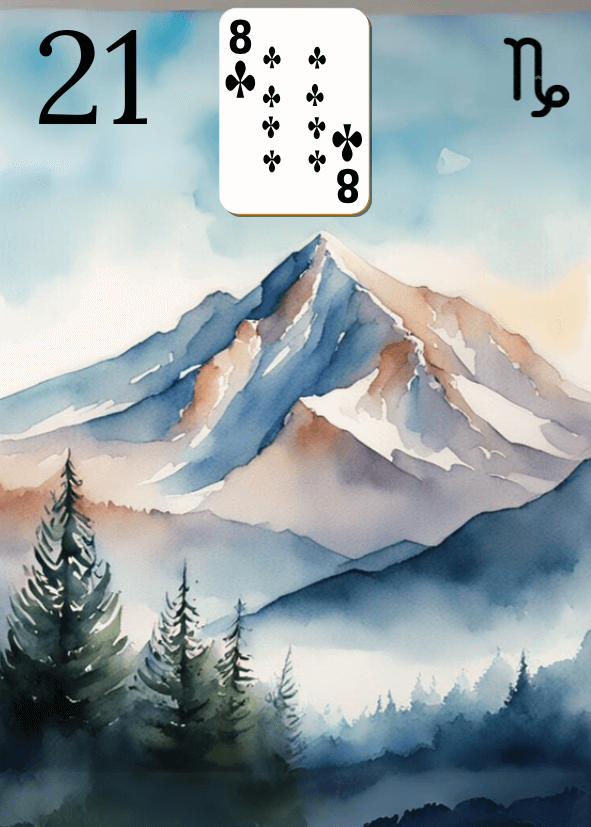
Lenormand card 21 Mountain
Quintessence

21 Mountain

The combination reveals a solid blockage that does not yield without clear confrontation.

obstacle power relation resistance
Lenormand card 01 Rider
Hidden card

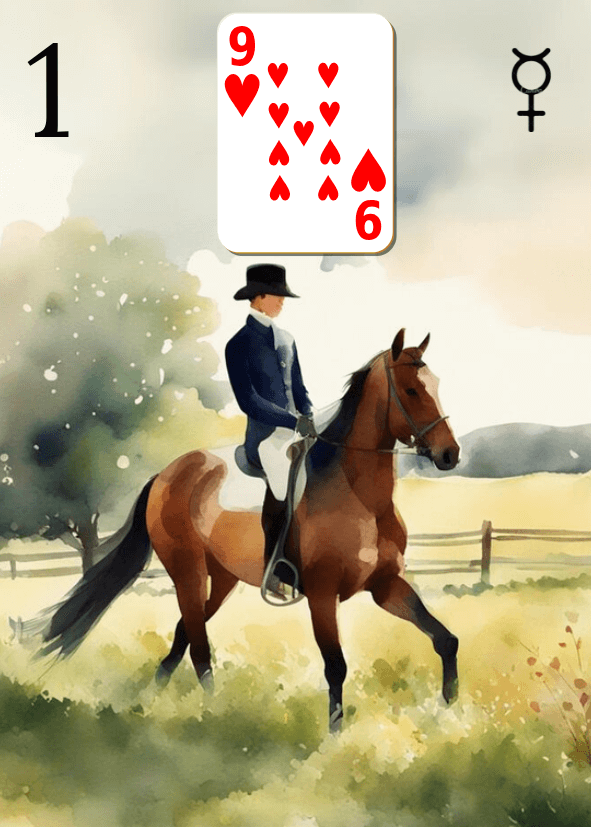
01 Rider

A word, a message, or an announcement acts as a detonator for the conflict.

announcement reply trigger