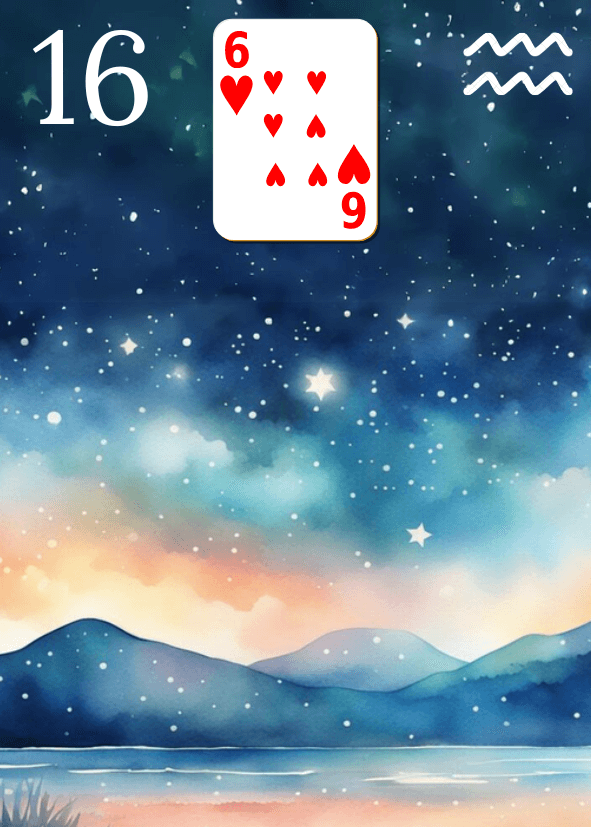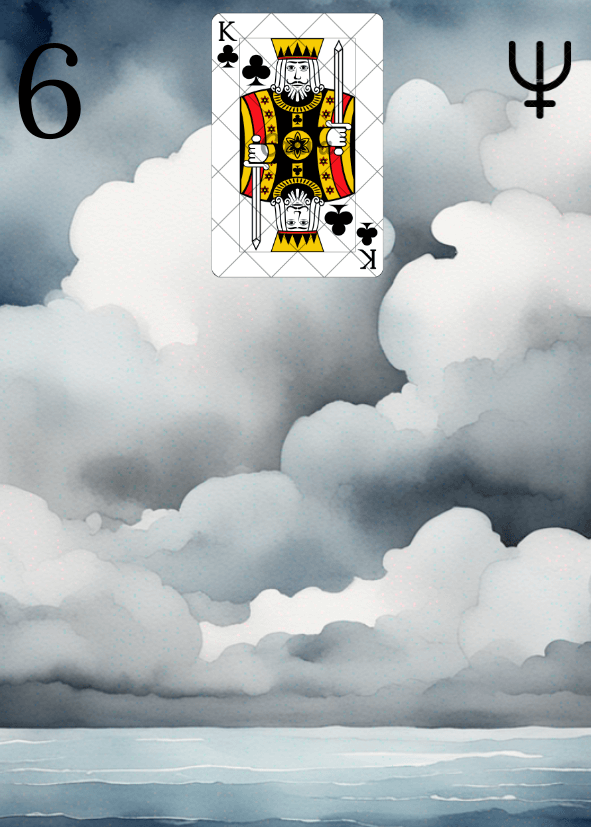
General meaning
⌄
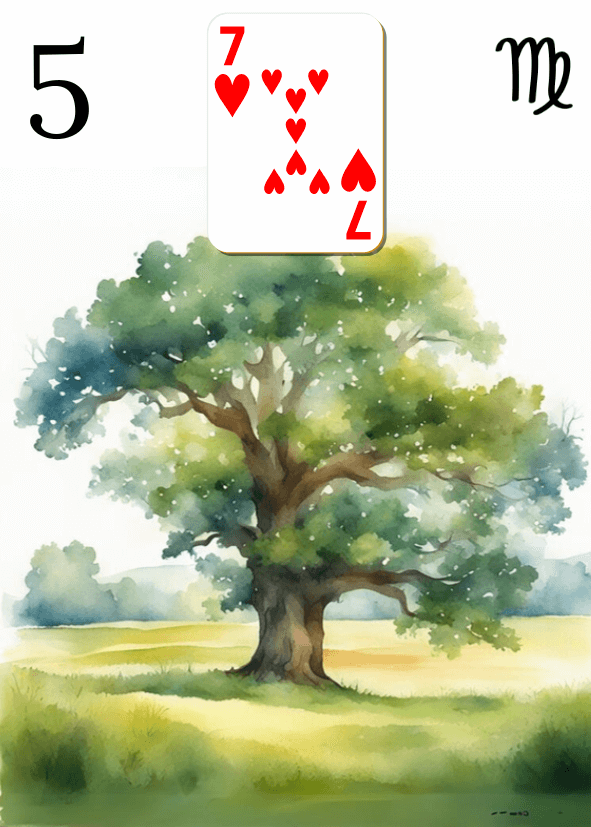
Tension becomes a landscape: Tree symbolizes depth and duration, while Whip illustrates what repeats, tightens, and ultimately erodes balance.
Tree represents health, balance, roots, stability, and everything that settles over time. Whip evokes arguments, stress, pressure, criticism, and repetitions that fray the nerves. Together, these cards depict chronic tension. This is not a one-time episode, but a pattern: you restart, you become agitated, you get irritated, you ruminate, and you grow weary. The combination can indicate a recurring conflict, a demand that keeps resurfacing, or a stress that becomes a mode of functioning. The message is pragmatic: what repeats takes root. And when tension takes root, it ultimately manifests in the body, in your mood, and in the quality of your life. The way out comes through a concrete action: change the pace, clarify the core issue, set a boundary, or establish a calming discipline.
Love and relationships
⌄
The bond deteriorates through repetition: arguments, blame, or a nervous dynamic that eventually affects tenderness and emotional safety.
In love, Tree signifies deep attachment, duration, and the development of a bond. Whip indicates scenes, conflicts, reproaches, and words that keep resurfacing. This combination can suggest a couple trapped in a cycle of arguments, sometimes about the same topics, sometimes about minor details that become triggers. Emotions accumulate, irritability increases, and the relationship can lose its softness. It can also indicate a passionate, intense, but nervous connection where you test, provoke, and hurt each other. The advice is straightforward: step out of the script. Clarify what is truly at stake, establish communication rules, and protect the relationship by halting the behaviors that damage it. Duration only holds value if it nourishes you, not if it erodes you.
Work and vocation
⌄
Repeated pressure and corrections: sustained pace, recurring criticism, or a tense environment that ultimately exhausts and undermines stability.
At work, Tree symbolizes career, stability, and long-term progression. Whip evokes pressure, reviews, conflicts, and repetition. This combination can refer to tense meetings, endless corrections, harsh performance evaluations, or an environment where arguments are frequent. It can also indicate work based on repetitive training, rehearsal, and performance with a high nervous charge. The risk is clear: wearing yourself out. The message is pragmatic: protect your energy. Prioritize, bring structure, set limits, and avoid a setup where pressure is your only driving force. A solid long-term path requires a sustainable rhythm.
Money and material security
⌄
Tension revolves around money: repeated discussions, worries, or stress-related spending that weaken long-term balance.
In financial matters, Tree signifies security, stability, and long-term balance. Whip indicates arguments, pressure, and repetitive patterns. This combination can signal financial conversations that keep resurfacing, blame regarding money management, or material anxiety that loops. It can also indicate a pattern of stress spending, impulsive purchases, followed by guilt, and then starting the cycle again. The message is clear: return to the numbers, define a framework, and minimize decisions made under high tension. Financial balance is built through regularity. Whip reminds you that stress is costly, sometimes in money, often in energy.
Health and energy
⌄
The body absorbs the repetition: chronic stress, muscle tension, nervous fatigue, or sleep issues that signal progressive wear.
For health, Tree is central: it speaks of the body, vitality, and deep processes. Whip evokes nervous tension, tightness, and repeated episodes. This combination can indicate chronic stress, pain linked to tension in the shoulders, neck, jaw, disturbed sleep, or inner agitation. It can also illustrate a cycle where you push too hard, then break down, then start again. The message is pragmatic: step out of the cycle. Establish simple rituals, reduce triggers, and protect your nervous system. Tree heals through consistency. Whip calls for you to stop punishing yourself, both literally and figuratively.
Objects
⌄
Objects that make repetition, pressure, and the need for structure visible, to prevent deeper wear.
- Planner, schedule, or to-do list where you can see repetition and overload
- Elastics, bands, ropes, objects associated with tension and repeated effort
- Tracking notebook, journal, or notes to identify a pattern and change it
Places
⌄
Places where tension recurs: living or working spaces where the same scenes replay and the atmosphere becomes tense.
Home where arguments arise at the same time, office where meetings turn into battlegrounds, gym or rehearsal studio where body and mind are pushed, sometimes too far. Tree adds places of care or follow-up, where you work to restore balance after repetition.
Personality
⌄
An enduring but wired temperament: someone who can endure a lot, then tightens up, and who can get lost in rumination or harsh standards.
This duo can describe someone solid, capable of holding, working, and building, but whose nervous system is heavily taxed. The person can be demanding, sometimes hard on themselves, and get caught in cycles of stress. Their point of vigilance is rigidity, repeated criticism, or self-punishment. Their strength lies in discipline: when they choose routines that soothe and learn to express themselves before exploding, they regain a much healthier stability.
Profession
⌄
Jobs where repetition, pressure, and the body are involved, with a need for structure to avoid burnout.
- Sports, training, coaching, where you repeat and push performance
- Production, control, quality roles where you correct and repeat
- Support, mediation, where you handle recurring tensions
- Stage work, music, dance, where rehearsal is central and can be stressful
Archetype
⌄
The trunk under tension.
This archetype desires to hold. It believes strength means persevering. But it learns another truth: strength also means letting go. It listens to repetition not to remain trapped in it, but to discern a message within. Its future is more stable: it transforms tension into calming discipline and chooses rhythms that nourish rather than those that break.
Shadow work
⌄
Taking root in stress: normalizing tension, replaying the same conflicts, and allowing rumination to become a habit that damages balance.
In shadow, this combination leads you to accept an excessive level of tension. You convince yourself it is normal, that this is just life, and then your body, heart, and patience wear out. Whip becomes a constant background noise. The corrective action is pragmatic: change one variable, even a small one. Cut a trigger, set a boundary, establish a healthy discharge routine such as breathing, walking, sleep, or movement. Repetition can be a trap. It can also become an exit door if you decide to change the script.
Calibration questions
⌄
What repeats so much that it wears down your balance, and what concrete boundary can you set to step out of the cycle right now?
- What scenario do you replay repeatedly, and what is it costing your body or mood?
- Which trigger can you reduce, avoid, or transform to alleviate the tension?
- What simple routine can you establish to release regularly, before you reach saturation?