General meaning
⌄
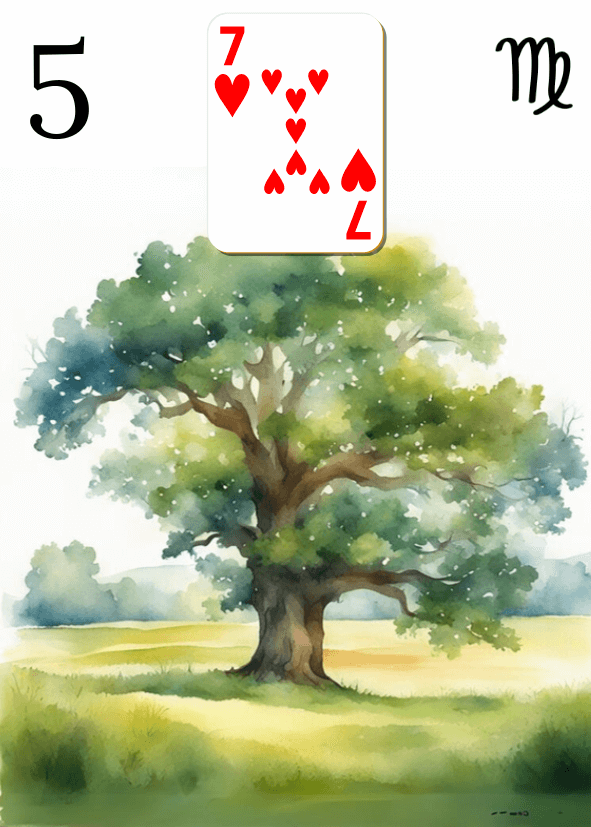
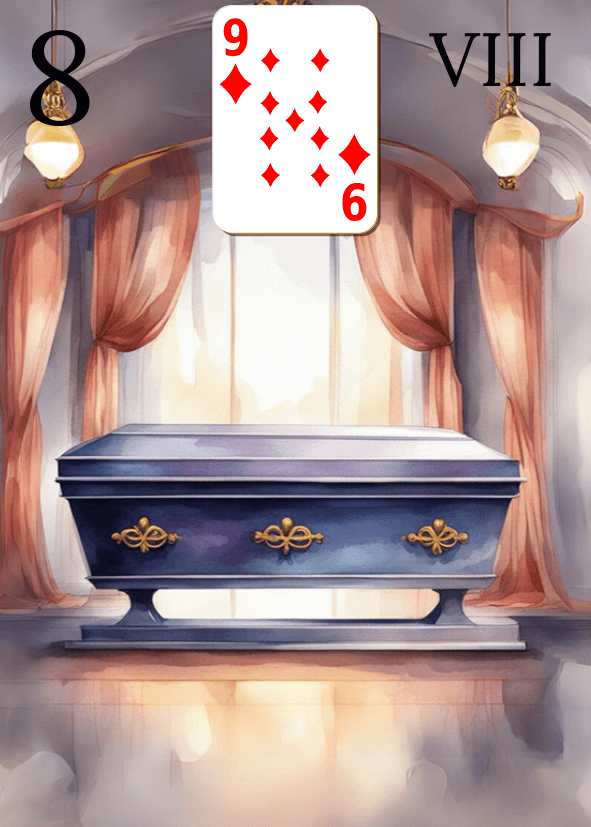
Time places a final full stop: Tree speaks to a foundational topic, and Coffin announces a stop, closure, or irreversible transformation.
Tree represents duration, roots, health, balance, and everything that is deeply anchored in life. Coffin signifies ending, stop, closure, grief, and transformation. With this combination, something reaches the end of a cycle. This is not a minor surface adjustment: it is a page that closes, a habit that must cease, or a situation that can no longer continue as it is. The duo can also indicate a forced slowdown, a drop in energy, or an urgent need for rest. The message remains pragmatic: accept the closure, then reorganize balance. You do not force life to restart in exactly the same place. You allow yourself a genuine passage, and you prepare for renewal with patience.
Love and relationships
⌄
A bond reaches a turning point: end of an emotional chapter, emotional mourning, or deep transformation of the relationship over time.
In love, Tree evokes attachment, deep bond, and rootedness. Coffin signifies closure, breakup, or a transformation that changes the relationship in a lasting way. This combination can indicate the end of a long-standing relationship, or the conclusion of a way of functioning within the couple. Sometimes it is a gradual detachment, and sometimes a clear stop. Even when the relationship continues, something must die so that the bond can feel alive again: a harmful habit, a draining pattern, or a way of communicating with each other. The advice is clear: do not cling to what is fading. Emotional grief can be a necessary passage to later find a healthier stability, not immediately, but in the long run.
Work and vocation
⌄
A foundational situation closes: end of a position, conclusion of a long project, or the need to cut a routine that wears you down over time.
At work, Tree speaks of career, stability, and slow building. Coffin indicates end of cycle, stop, and closure. This combination can announce the end of a contract, a shutdown, the completion of a heavy file, or the decision to leave a framework that has become too exhausting. It can also point to a necessary halt because the body or mind can no longer keep up. In some cases, it indicates a deep reorganization that ends a way of working. The message is pragmatic: conclude cleanly, protect your energy, and prepare for what comes next. When a cycle ends, the goal is not to feel guilty, but to rebuild on a more viable foundation.
Money and material security
⌄
End of a flow or commitment: closure of a long-term expense, cessation of an income source, or decision to cut a leak to regain stability.
In financial matters, Tree evokes long-term security, balance, and stability. Coffin signifies an ending: a payment that stops, a bill that concludes, or a financial situation that closes. This combination can signal the end of a financial commitment, the closing of an account, the cancellation of an expensive subscription, or the need to cut a budget leak. It can also indicate a temporary dip that forces you to slow down and reorganize. The idea is not to panic, but to conclude what needs to be concluded. The advice is concrete: make a clear assessment, cut what drains you, and secure the essentials. A well-managed ending can become a lasting relief.
Health and energy
⌄
Rest and stop are necessary: end of a cycle of fatigue, convalescence, or the need to cut a habit that undermines long-term balance.
For health, Tree is the card of the body, vitality, and slow processes. Coffin speaks of stop, energy drop, and a period of rest. This combination can indicate convalescence, deep fatigue, or a need for a genuine halt so the body can recover. It invites you to slow down, respect the signals, and stop continuing a routine that drains you. In some contexts, it can also echo end of life or a death in the close circle, though that is not the only interpretation. The message remains pragmatic: listen, follow up, rest, and stabilize. The body sometimes needs a clear pause to find durable balance again.
Objects
⌄
Objects linked to closure, rest, and end of cycle, often associated with care, sorting, and steps of conclusion.
- Medical files, results, documents, or any support linked to long-term follow-up
- Boxes, crates, sorting bags, objects you pack away to turn a page
- Prescriptions, supplements, or rest-related items, blanket, pillow, anything that supports recovery
Places
⌄
Places of rest and closure where a chapter ends, where you recover, or where you undergo an important transition.
Resting spaces at home, bedroom, quiet area, but also hospital, office, care center, or administrative office if the situation involves procedures. The duo can also evoke a place you leave, an apartment you empty, or a location linked to the end of a family cycle.
Personality
⌄
A deep person, marked by a passage, who understands that some endings are necessary to regain a healthier stability.
This duo can describe someone introspective, aware of cycles, and capable of grieving, even when it is painful. The person may sometimes exhibit low energy or an increased need for solitude to regenerate. Their point of vigilance is prolonged withdrawal, or the tendency to cling to what is fading out of fear of emptiness. Their strength is lucidity: they understand when it is time to stop, close, and allow life to restart in another way.
Profession
⌄
Roles connected to long timelines, care, and transitions, where you accompany ends of cycle, stops, or deep reorganizations.
- Health care, support, healing work, where you follow processes and convalescences
- Administration, case work, where you close, archive, and finalize
- Insurance, assistance, social services, where you handle difficult periods
- Project management, where you end a cycle and restructure
Archetype
⌄
The winter garden.
This archetype understands that growth is not continuous. There are seasons. There are winters. It accepts closing a door, laying down what is draining, and honoring rest. Its future is prepared in silence: a healthier base, energy that returns, and a simpler renewal, because it let go of what needed to end.
Shadow work
⌄
Clinging to what is finished: remaining in inertia, refusing closure, and turning a necessary passage into exhausting stagnation.
In shadow, this combination can freeze everything. You withdraw, you dim, and you confuse rest with giving up. The risk is allowing the end to contaminate everything else instead of moving through it. The corrective move is concrete: conclude, lighten, ask for support, and prepare for a minimal renewal. An end of cycle is not a verdict. It is a passage, and it becomes softer when you accompany it instead of denying it.
Calibration questions
⌄
What needs to end to protect your balance, and what simple step can you take to prepare for a healthier renewal?
- Which cycle is clearly fading out, and what would you gain by closing it properly?
- What real rest does your body or heart need, with no negotiation?
- Which habit, pattern, or commitment can you stop to regain vitality?